
Reducing GHG in Industrial HVAC Systems: The Key to Leading as a Responsible Company

Today more than ever, companies face a double challenge: becoming more efficient while also becoming more responsible toward the environment. That is where a crucial part of operations comes into play: HVAC systems.

Heating, ventilation and air conditioning (HVAC) systems are essential for comfort in buildings and homes, but they also account for a significant share of global energy consumption. As climate change becomes a global priority, attention is turning to how the efficiency of these systems can help reduce the greenhouse gases (GHG) responsible for global warming.

This article explores how advances in HVAC technology can help lower GHG emissions and promote a more sustainable future.

What are greenhouse gases?

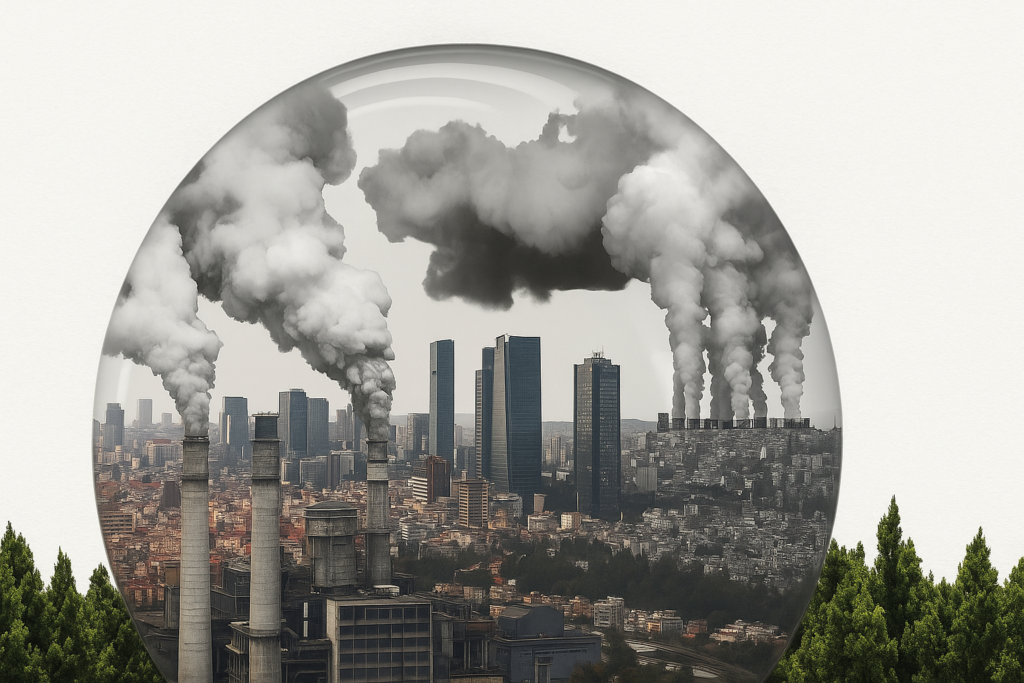
Greenhouse gases are compounds that trap heat in the Earth’s atmosphere, contributing to global warming. The most common include carbon dioxide (CO₂), methane (CH₄) and nitrogen oxides (NOₓ). Human activities such as burning fossil fuels, deforestation and the use of synthetic refrigerants are the main sources of these emissions.

How do HVAC systems affect global energy consumption?

HVAC systems account for a significant portion of the world’s energy consumption, especially in extreme climates. In many countries, commercial and residential buildings consume large amounts of energy to maintain comfortable temperatures all year round.

The main points where industrial HVAC systems can generate GHG emissions are:

  • Use of electricity generated from fossil fuels, which are non-renewable sources.

  • Refrigerants with high global warming potential (GWP).

  • Poorly designed systems or equipment that operates inefficiently.

  • Lack of maintenance or continuous monitoring.

What can you do? What effective strategies exist to reduce emissions?

Here are some notable innovations in HVAC technology for reducing GHG emissions:

①
High energy efficiency HVAC systems

Advances in energy efficiency allow HVAC systems to use less electricity to deliver the same level of comfort. This not only reduces energy consumption but also lowers the CO₂ emissions associated with power generation.

②
Heat pump technology

Heat pumps are more efficient than traditional heating and cooling systems. They work by extracting heat from the outside air and moving it indoors in winter, or doing the opposite in summer. This reduces the need for fossil fuels and lowers emissions.

③
Use of renewable energy in HVAC

Integrating renewable energy sources such as solar or wind power with HVAC systems enables emission-free operation. These hybrid systems can operate efficiently without depending on a power grid that burns fossil fuels.

④
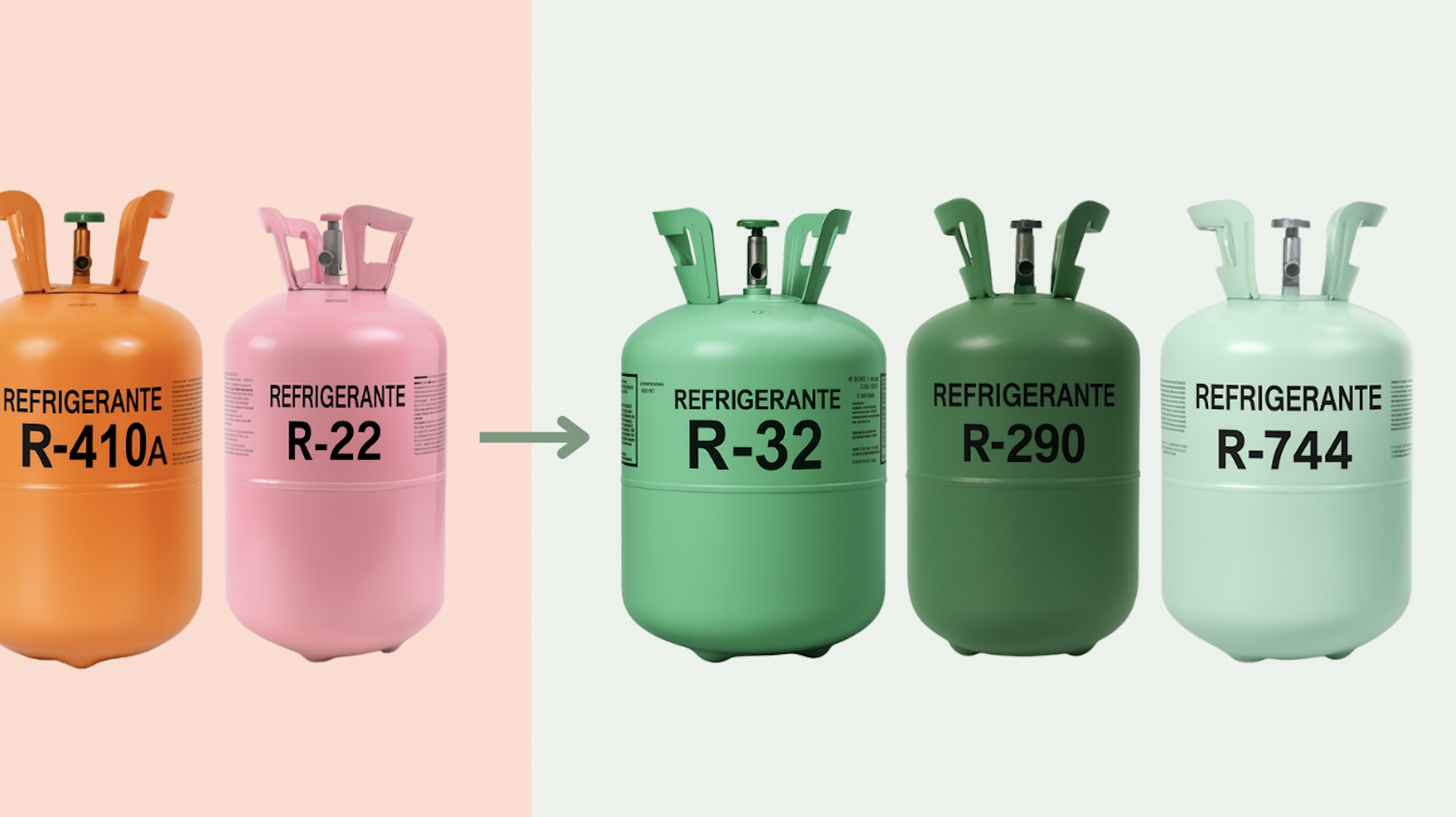
Eco-friendly refrigerants


Using refrigerants with low global warming potential (GWP) is crucial. Traditional refrigerants such as R-22 have a high GWP and contribute significantly to climate change. Switching to greener refrigerants such as R-32 or CO₂ can reduce this impact:


Why is reducing GHG a business strategy?

Yes, caring for the planet matters. But reducing emissions also brings very clear benefits for the business:

  • It aligns you with national and international regulations (such as Mexico’s General Law on Climate Change or the UN Sustainable Development Goals).

  • It improves your standing with customers, investors and partners who value sustainability.

  • It opens the door to certifications such as ISO 50001 or LEED.

  • It reduces operating costs in the medium and long term.

  • You gain an edge over your competitors and strengthen your image as a committed company.

The future of HVAC systems and their impact on climate change

As technology continues to advance, HVAC systems will keep improving in efficiency and sustainability. Integrating automation, artificial intelligence (AI) and the Internet of Things (IoT) will allow HVAC systems to better adapt to the specific needs of each space, optimizing energy use and reducing emissions.

At Climas, we help you get there.

We support industrial companies with custom HVAC solutions, cutting-edge technology and a comprehensive approach to sustainability. We help you reduce emissions, become more efficient and stand out as a leader in your sector.

Conclusion

Reducing GHG in HVAC systems is not just an environmental responsibility, it is a strategic business decision. If you are ready to take action, Climas is ready to help you.

Article by:

Project Coordinator
at Climas.

Subscribe to our newsletter

Discover the news, progress and real cases that are shaping the direction of the HVAC industry.

Scroll al inicio