How to Design Sustainable LEED-Certified HVAC Systems
Sustainability is no longer optional in industrial and commercial buildings; it is a requirement. With LEED certification in sight, a building’s HVAC design must focus on energy efficiency, air quality and smart controls. In this article we explain how Climas can help your projects earn key LEED points and become benchmarks of green construction.
Why does efficient HVAC matter for LEED?
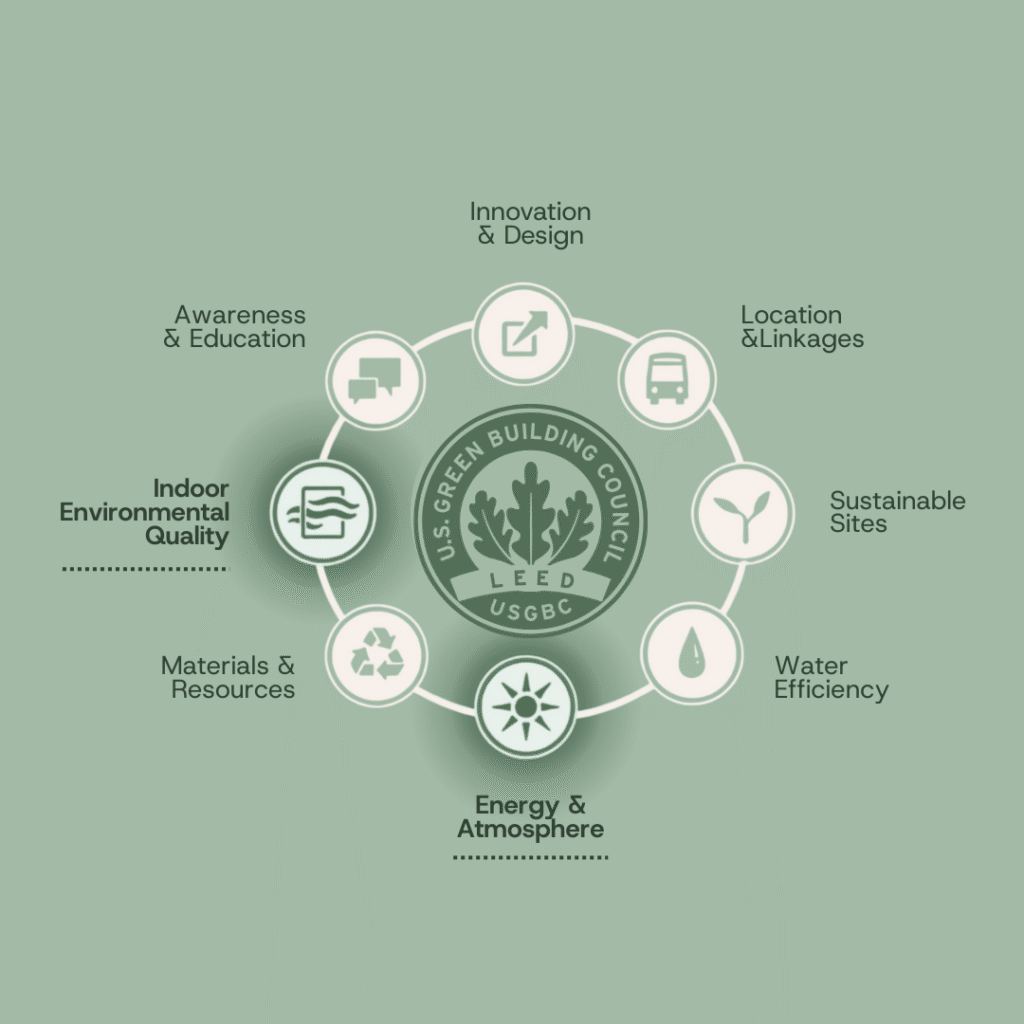
LEED (Leadership in Energy and Environmental Design) is the most widely used green certification system in the world. HVAC directly influences two key categories:
Energy and Atmosphere (EA): up to 38 points
Indoor Environmental Quality (IEQ): up to 21 points
Designing efficient HVAC systems is vital to achieving a high score in these categories, improving sustainability, reducing costs and adding value to the property.
1. Choosing high-efficiency equipment
To earn EA and IEQ points, it is crucial to:
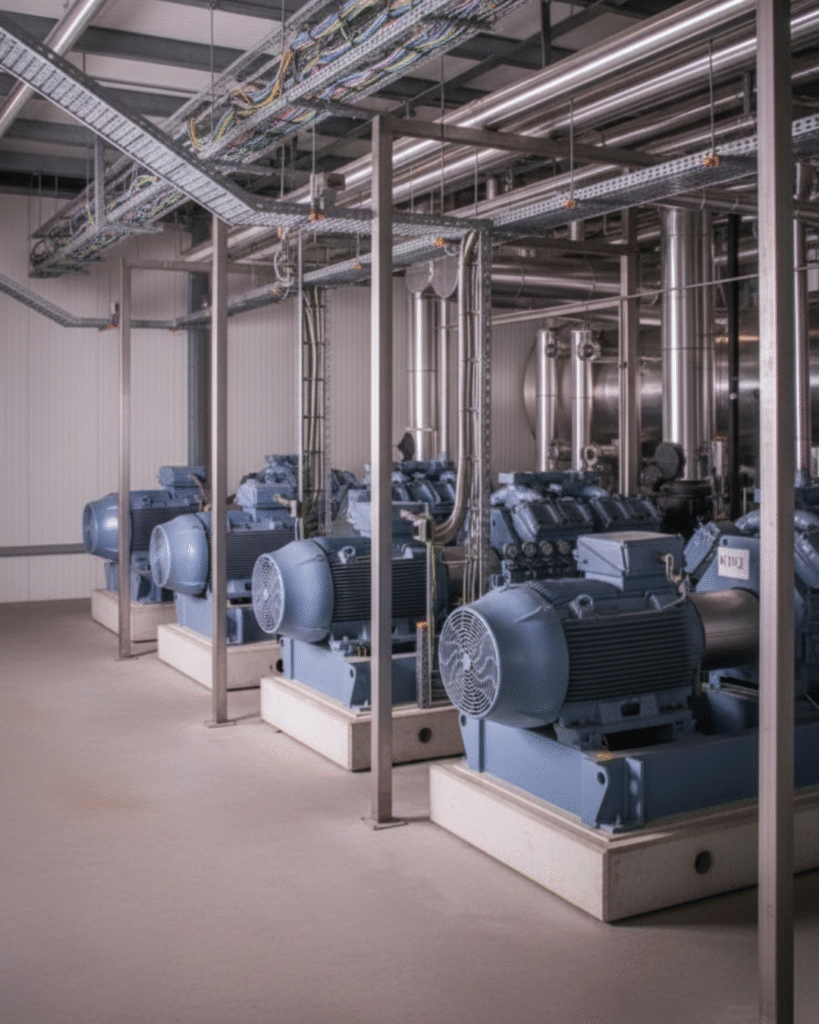
Use equipment with an ENERGY STAR label or high SEER/COP ratings.
Size equipment correctly, avoiding oversizing and short cycling that waste energy.
Integrate heat pumps and hybrid systems that combine heating and cooling efficiently.
These components enable: → Lower energy consumption. → Lower operating costs. → Extra points in LEED innovation credits.
2. Optimal ventilation and IAQ
Indoor air quality (IAQ) is essential:
HVAC systems must comply with standards such as ASHRAE 62.1, ensuring adequate ventilation and contaminant control.
Use of displacement ventilation for efficient air distribution, reducing fresh outdoor air requirements.
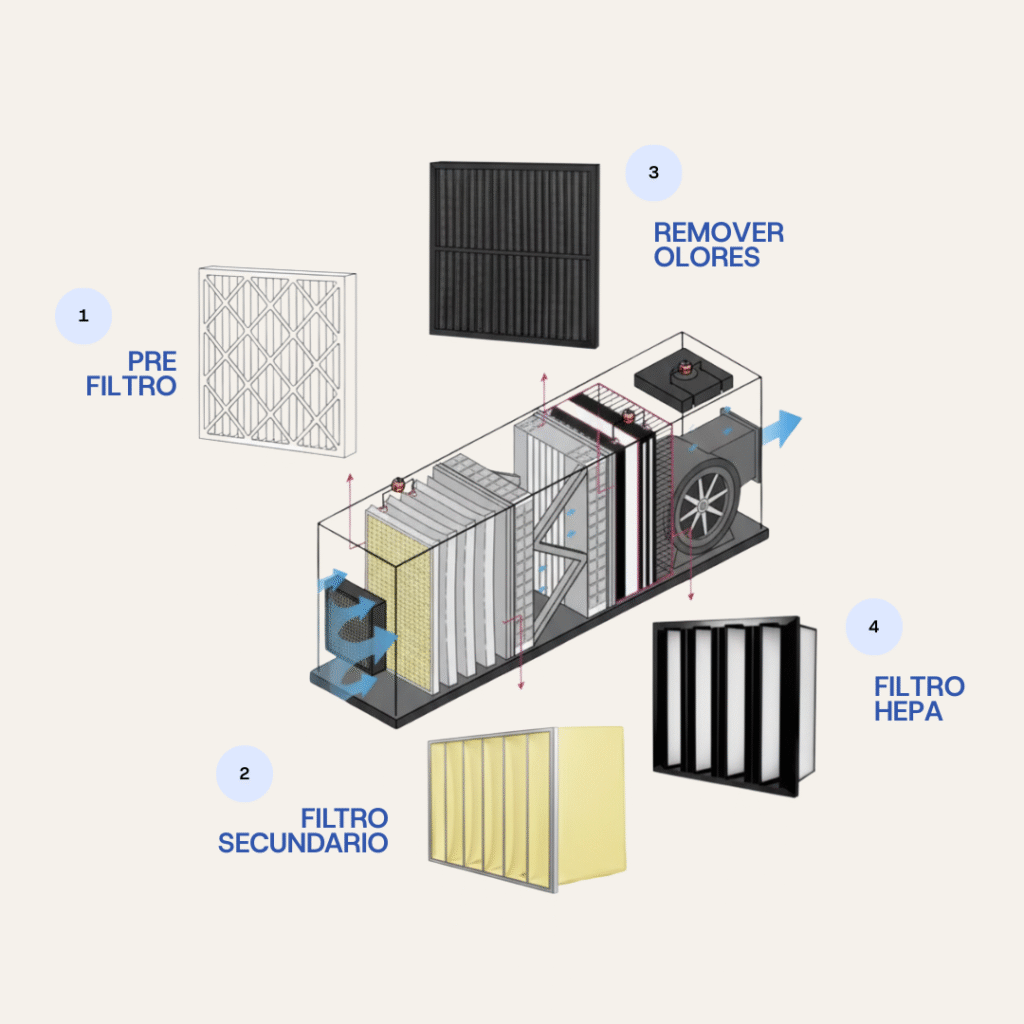
High-efficiency filters and continuous monitoring to maintain ideal temperature, humidity and air cleanliness.
These elements earn important IEQ credits and support staff health and productivity.
3. Automation and smart controls
Smart systems allow:
Real-time adjustments based on occupancy, weather or processes.
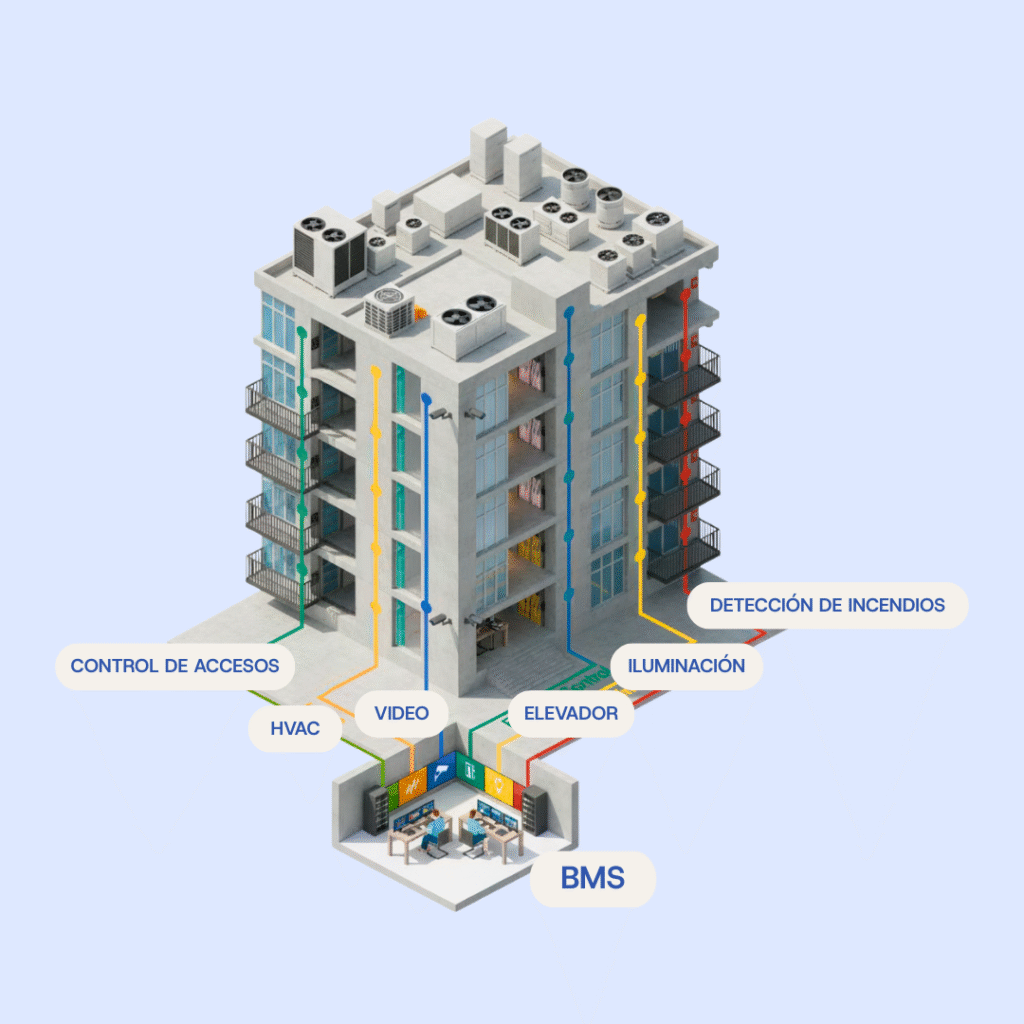
Integration with BMS (Building Management Systems).
Demand control, avoiding electrical peaks.
This delivers ongoing savings, greater comfort and additional LEED points for advanced control systems.
4. Adding renewable sources
Adding renewable energy improves the LEED profile:
Heat pumps that harness renewable energy and reduce emissions.
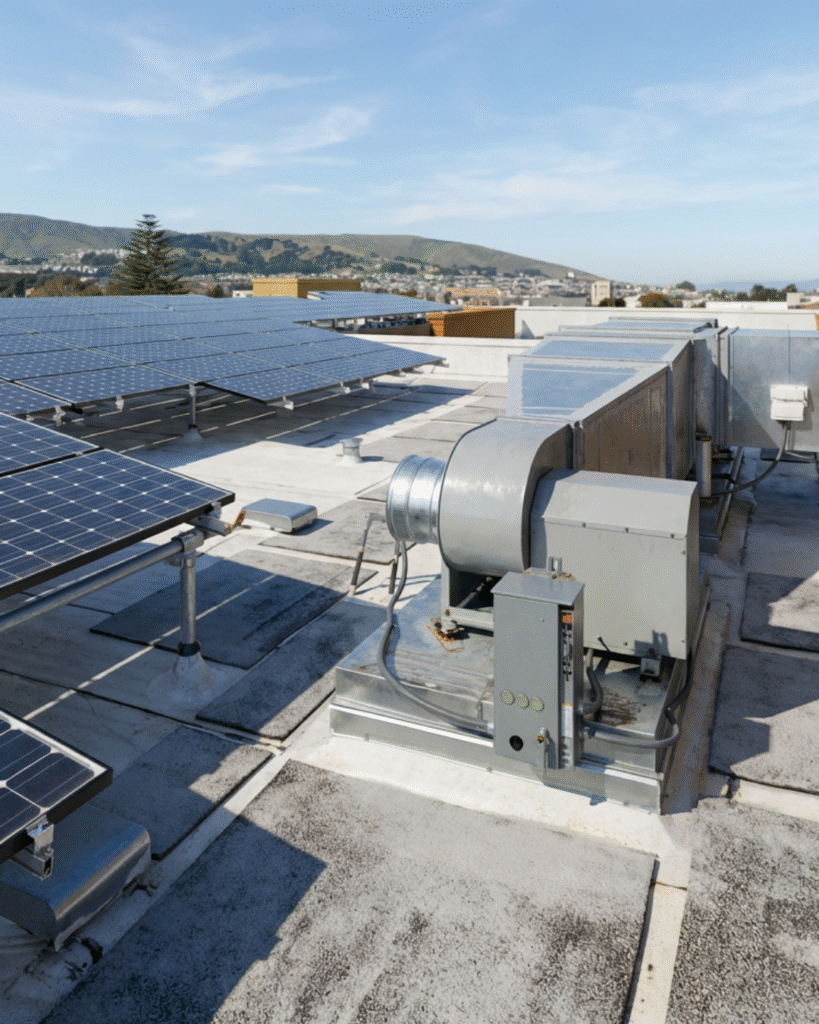
Integrating solar power into hybrid HVAC systems focused on efficiency and sustainability.
In Mexico, the efficient HVAC market reached USD 1,172 M in 2024, with a projection of USD 2,030 M by 2033 (CAGR 6.3%). Nearshoring and green building construction are strongly driving this shift.
5. Retrofitting existing systems
Upgrading old equipment through retrofits can generate 40-70% energy savings. Recommended strategies:
Replacing boilers and chillers with efficient systems.
Adding heat recovery to ductwork.
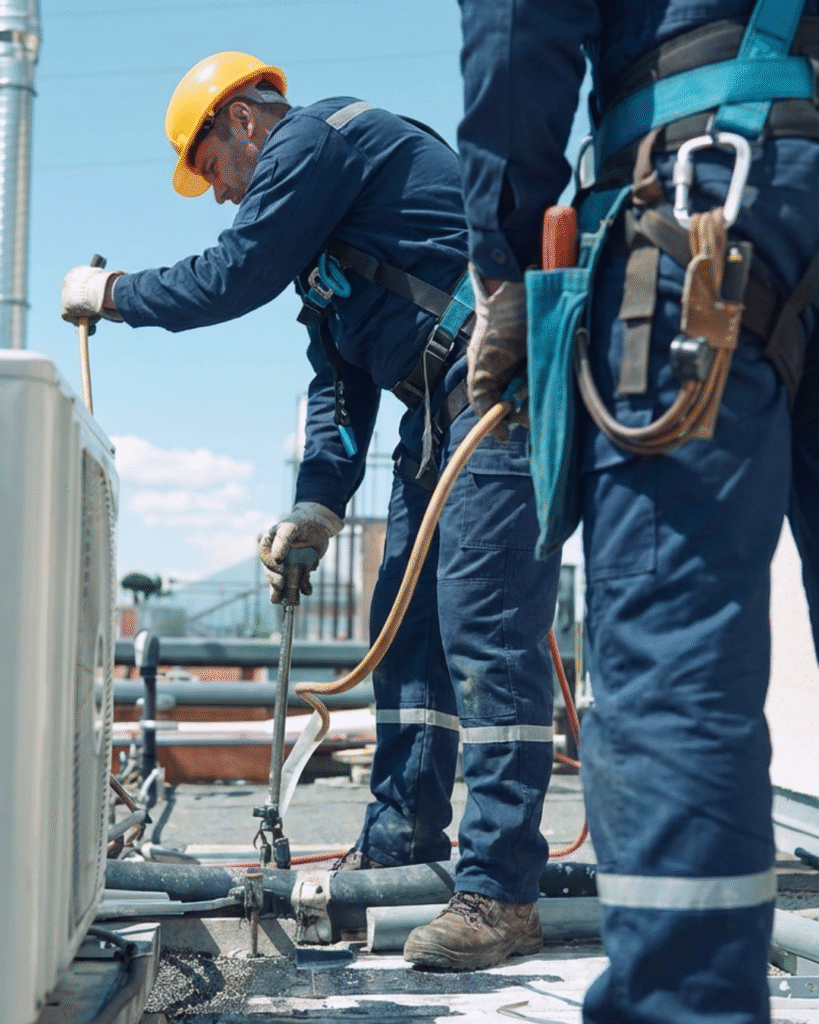
Modernizing controls and sensors.
This offers an attractive ROI and LEED credits in performance projections.
Economic and market benefits
LEED-certified buildings show:
15-20% lower operating costs and 10% maintenance savings cecobuildings.com.
Higher market value and greater appeal to tenants and investors.
Eligibility for incentives: subsidies, tax exemptions and faster permitting
How Climas helps you
✔ Optimized HVAC analysis and design, with efficient equipment selection and performance simulation.
✔
Advanced IAQ implementation and smart controls.
✔
Integration of renewable energy and sustainable technologies.
We support you throughout your LEED project, making sure your system meets all EA and IEQ requirements.
Conclusion
Investing in sustainable, LEED-certified HVAC systems brings multiple benefits: significant savings, better occupational health, a prestigious certification and return on investment.
Ready to power your green project?
At Climas we have the experience and tools to support you every step of the way. Contact us to schedule a consultation and start your path toward LEED certification.