Earth Day: Sustainable Climate Control for a More Efficient Future
Every April 22, the world celebrates Earth Day, a date to reflect on the impact we have on the planet… and also to take action.
At Climas, we know that energy efficiency and sustainability are not just environmental commitments but real opportunities to transform the industry. And one of the sectors with the greatest potential for change is, without a doubt, industrial climate control.
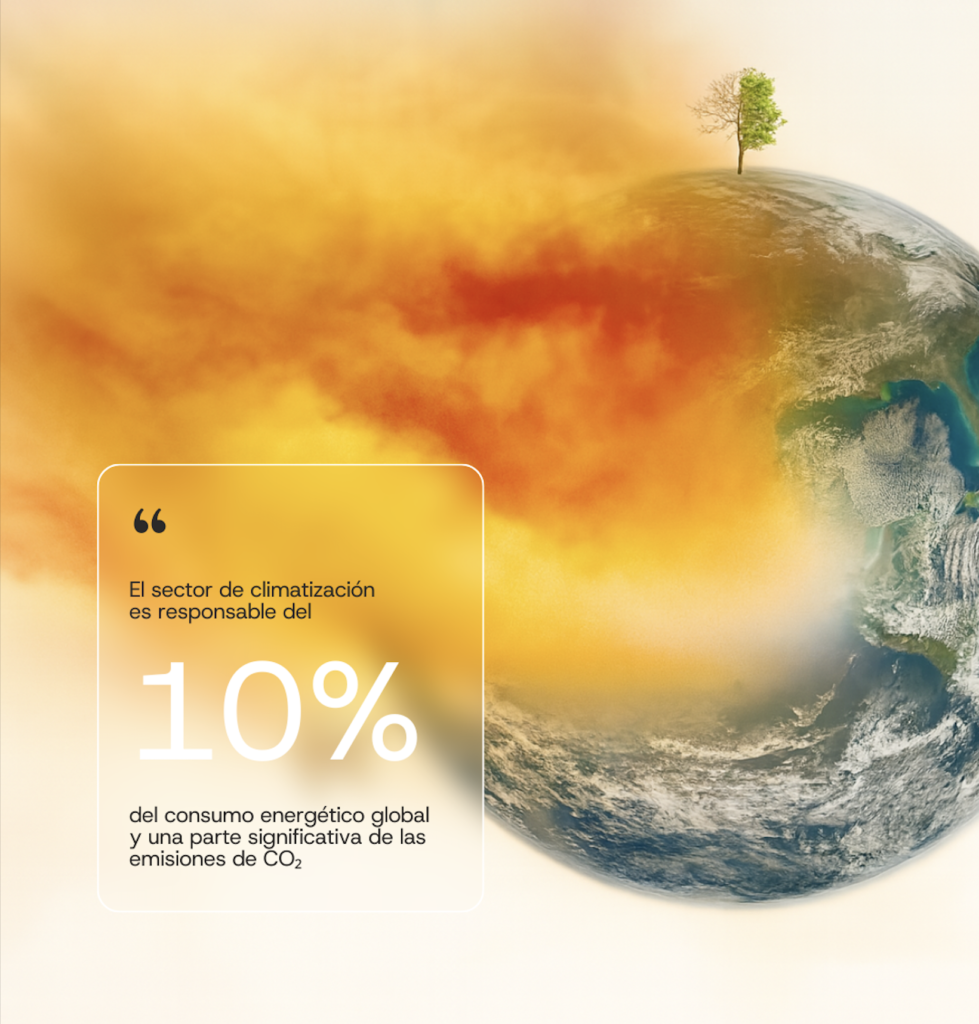
Did you know that HVAC systems account for a large share of energy consumption in industry?
The heating, cooling and refrigeration sector is responsible for approximately 10% of global energy consumption and a significant share of CO₂ emissions.
An inefficient thermal system not only drives up operating costs but also contributes to global warming.
Many people don’t realize it, but heating, ventilation and air conditioning (HVAC) systems can consume up to 50% of the energy in an industrial building if they are not properly designed or managed.
In addition, if they use refrigerants with high global warming potential (GWP), they also contribute significantly to climate change.
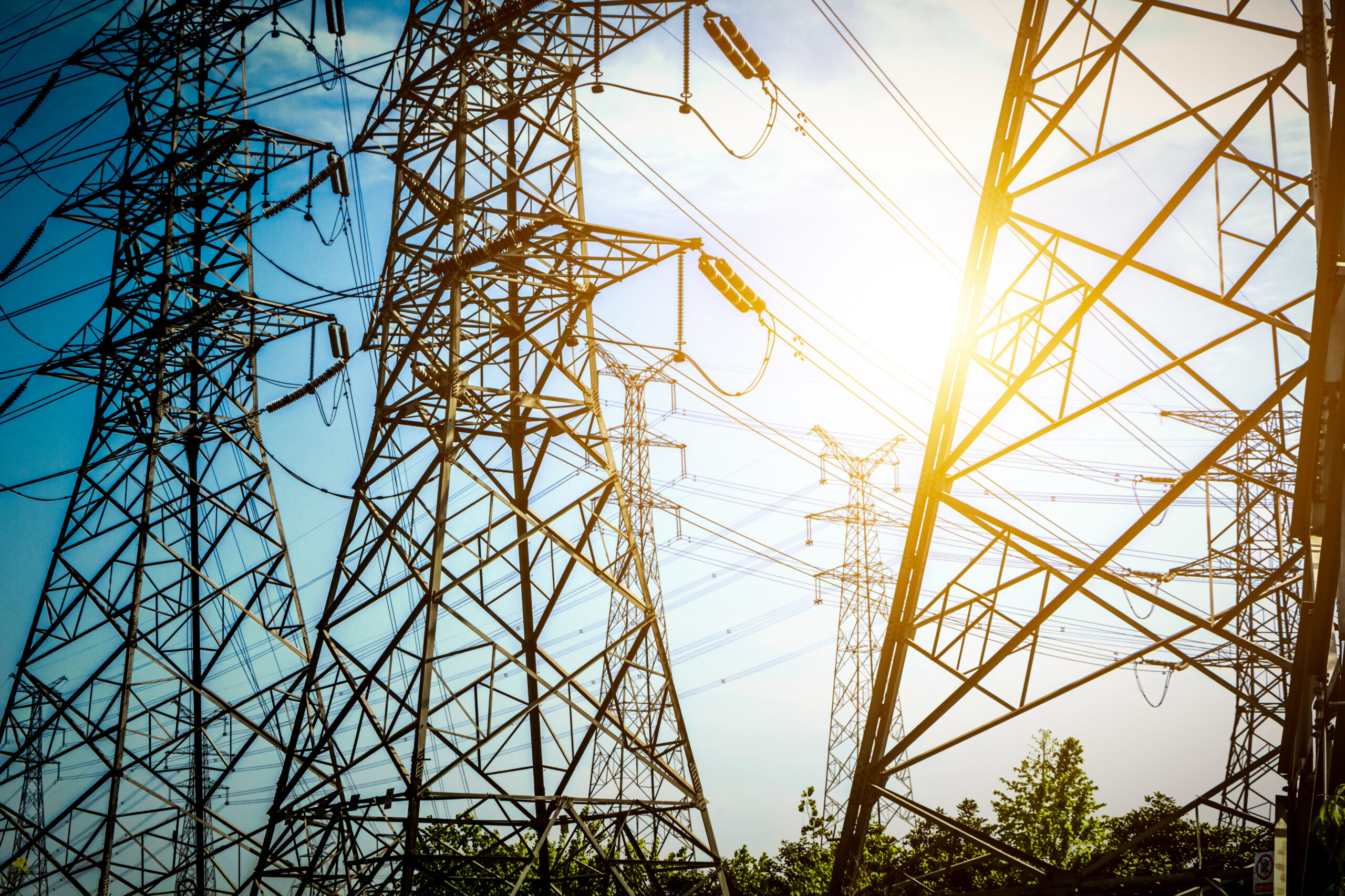
How do we tackle the problem?
It is essential to design, implement and operate smart climate control systems that make it possible to:
Reduce energy consumption without compromising performance.
Optimize the use of eco-friendly refrigerants with low global warming potential (GWP).
Integrate automation technologies to improve operational efficiency.
Use energy recovery strategies to reduce thermal waste.
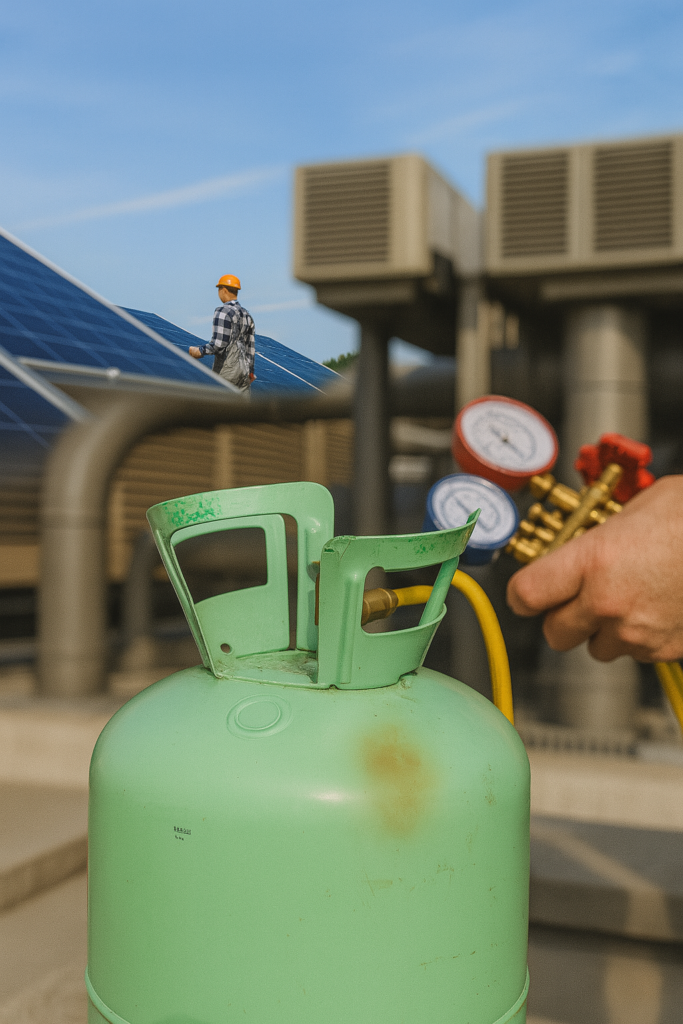
Our sustainability initiatives in climate control
As part of our commitment, in April we reinforced our sustainable infrastructure efforts with initiatives focused on:
①
Energy optimization in every project
Every design we create is intended to minimize energy consumption and maximize efficiency. We use tools such as energy modeling and BIM simulations, allowing us to plan thermal systems with the lowest possible environmental impact.
→ The impact:
Up to 40% reduction in energy consumption in industrial and commercial buildings.
②
Transition to eco-friendly refrigerants
We align with national and international environmental regulations by adopting low-impact refrigerants, reducing greenhouse gas emissions.
→ The impact:
By migrating to natural refrigerants such as CO₂, ammonia and R-32, with global warming potentials (GWP) up to 80% lower than traditional ones, we reduce the carbon footprint of climate control.
③
Integration with renewable energy
Our systems are designed to be compatible with renewable energy sources, reducing dependence on fossil fuels. We invest in heat recovery technologies to reduce electricity consumption.
→ The impact:
We reduce dependence on the traditional power grid.
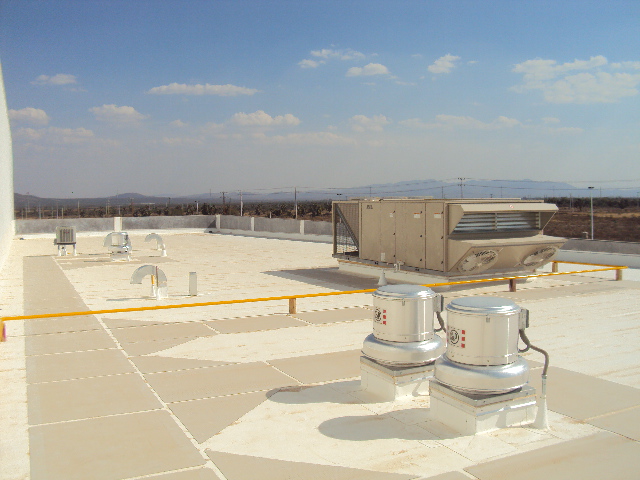
What about you? How is your company doing on this path?
If you are looking to modernize your HVAC systems, reduce emissions or prepare for new regulations, we are here to help.
We design custom solutions.
At Climas, we take care of your operation and the planet too.
This Earth Day, we invite you to see sustainability for what it really is:
An opportunity to be more efficient, competitive and responsible. 🌍


- Punto Alto E3, Centro Ejecutivo, Av. Valle Escondido 5700 - 501, Valle del Ángel, 31125 Chihuahua, Mexico.
- 614 439 3999
- 614 479 9931
- Privacy notice
- Terms and conditions
- Careers
Subscribe to our newsletter
Discover the news, progress and real cases that are shaping the direction of the HVAC industry.