Decarbonization Strategies in HVAC Systems for Industry
On the path toward sustainability and carbon neutrality, industrial HVAC systems play a fundamental role. Decarbonizing these systems is a priority for companies seeking to comply with environmental regulations, reduce their climate footprint and remain competitive in an increasingly conscious global market.
What is decarbonization in HVAC?
On the path toward sustainability and carbon neutrality, industrial HVAC systems play a fundamental role. Decarbonizing these systems is a priority for companies seeking to comply with environmental regulations, reduce their climate footprint and remain competitive in an increasingly conscious global market.
Sources of carbon in industrial HVAC systems
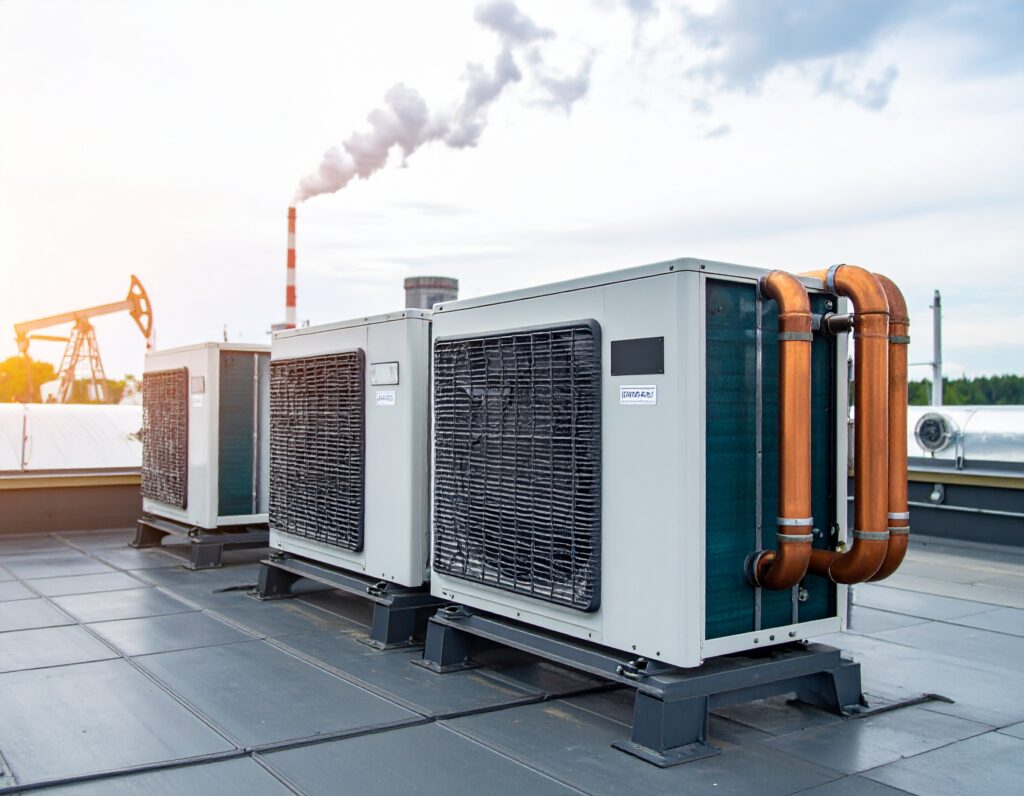
Use of electricity from fossil sources (coal, gas, oil).
Refrigerants with high global warming potential (GWP).
Thermal losses and oversized equipment.
Lack of automation and unnecessary continuous operation.
Key decarbonization strategies
1. Electrification of HVAC systems
Replace fossil fuel technologies (such as gas boilers) with high-efficiency electric solutions, such as industrial heat pumps.
2. Renewable energy supply
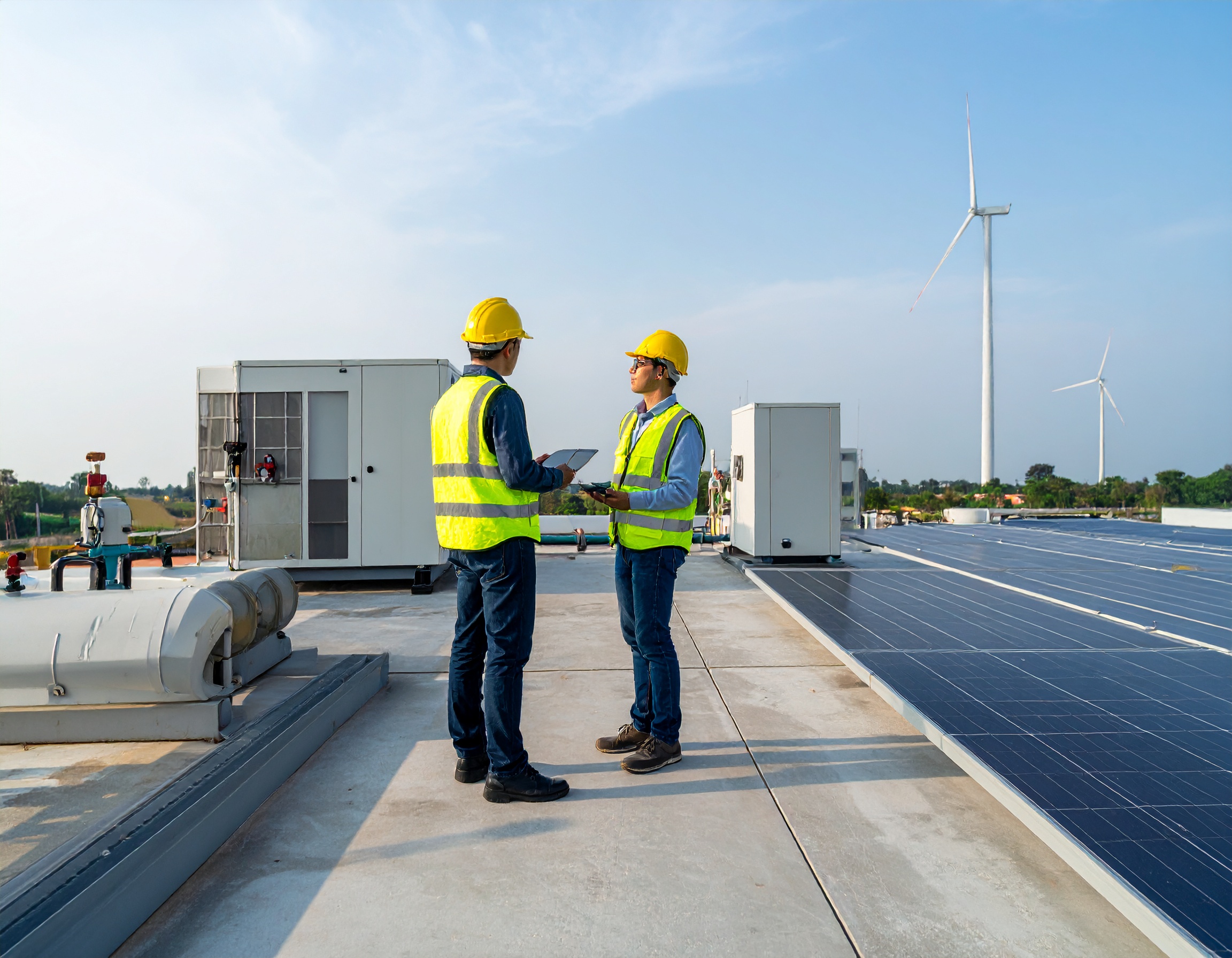
Connect HVAC systems to sources such as solar panels or clean energy contracts. This turns equipment operation into a practically carbon-neutral process.
3. Replacing high-GWP refrigerants
Use safer, greener alternatives such as R-32, CO₂ (R-744) or natural refrigerants that considerably reduce environmental impact.
4. Optimizing design and thermal load
Designing HVAC systems based on precise thermal analysis avoids oversizing that consumes more energy than necessary.
5. Automation and smart controls
Sensors, IoT and artificial intelligence make it possible to operate systems adaptively, only when truly needed, and with minimum consumption.
6. Predictive maintenance and continuous monitoring
Detecting leaks, failures or inefficiencies in real time reduces energy waste and extends the service life of systems, lowering their life-cycle environmental impact.
Benefits of an HVAC decarbonization strategy
Direct reduction of CO₂ emissions
Compliance with national and international regulations
Access to tax incentives and certifications (LEED, ISO 14001)
Lower operating costs in the medium term
Improved corporate image and attraction of sustainable investment
Why act now?
Regulatory standards rise every year. Companies that take action today will be better positioned to meet future requirements. In addition, customers, business partners and investors increasingly demand climate transparency and environmental responsibility.
Climas: your partner in the energy transition
At Climas, we support industry on its path to decarbonization with smart, efficient HVAC solutions tailored to every operational need. Our comprehensive approach allows us to design, implement and maintain systems aligned with the most demanding climate goals.
Conclusion
Decarbonization is not a trend, it is a necessary transformation. HVAC systems must evolve, and the companies that lead that change will take care not only of the planet but also of their own long-term growth.